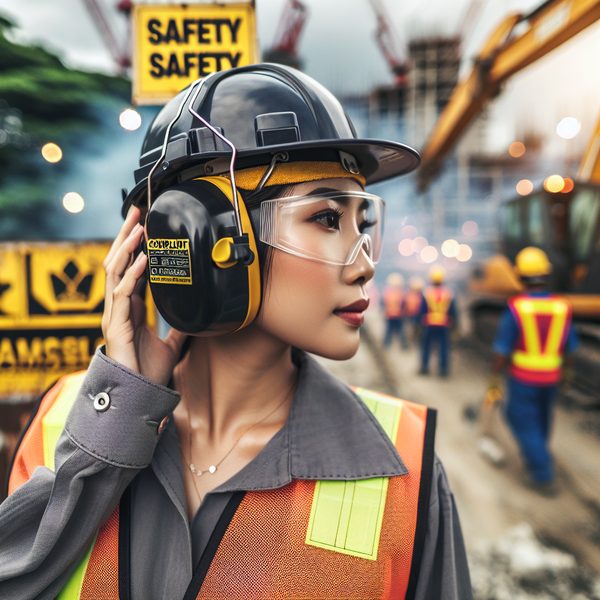
While noise‑cancelling technology can reduce certain sounds, it does not replace certified hearing protection. Only CSA Z94.2‑compliant devices that integrate audio streaming and maintain a verified protective rating can be considered safe for workplace use. In contrast, most consumer audio products, including Apple AirPods, are engineered primarily for entertainment rather than for hearing protection.
Key considerations:
Are personal audio devices considered hearing protection?
Noise-cancelling devices reduce sound. Doesn’t that count as protection?
Are there hearing protection devices that do allow workers to listen to audio
safely?
What about using personal audio devices during tasks that aren’t noisy?
What else should employers and employees do?
Where can I get more information?
To be considered acceptable for workplace use, any audio‑enabled hearing protection device must be purpose‑built and tested for hearing protection and must incorporate output‑limiting features that maintain audio levels within safe thresholds.
Employers may permit these devices only after confirming they will not create additional hazards and ensuring their use aligns with workplace policy.
Although some manufacturers claim their devices offer hearing protection, the supporting evidence is often limited. For instance, the passive NRR and Class ratings reported for AirPods Pro 3 apply solely when the device is unpowered, set to “Off Listening Mode,” or when “Loud Sound Reduction” is turned off—settings that differ from how workers typically wear them.